Optimizing Tech Content for YouTube Search and Suggested Videos
YouTube has become a critical platform for tech creators looking to showcase products, tutorials, and reviews to a wide audience. However, posting content alone is not enough—understanding how to optimize videos for search and suggested recommendations is essential for growth. How? Raise your video rankings with real YouTube views. Many creators also focus on strategies that help them maximize exposure, such as targeting specific audiences and leveraging analytics. By combining strong optimization techniques with high-quality content, tech creators can ensure their videos are discovered, appreciated, and shared, ultimately enhancing both channel growth and audience engagement.
Crafting SEO-Friendly Titles and Descriptions
The title and description of a video are crucial for both search ranking and audience engagement. Using clear, descriptive titles with relevant keywords helps YouTube understand the content and match it with user queries. Descriptions should provide context, include additional keywords, and link to related content or resources. For tech content, specifying product names, software versions, or technical terms ensures that videos appear in search results for viewers actively seeking that information. Well-optimized titles and descriptions increase the likelihood of discovery both in search and suggested video feeds.
Utilizing Tags and Metadata
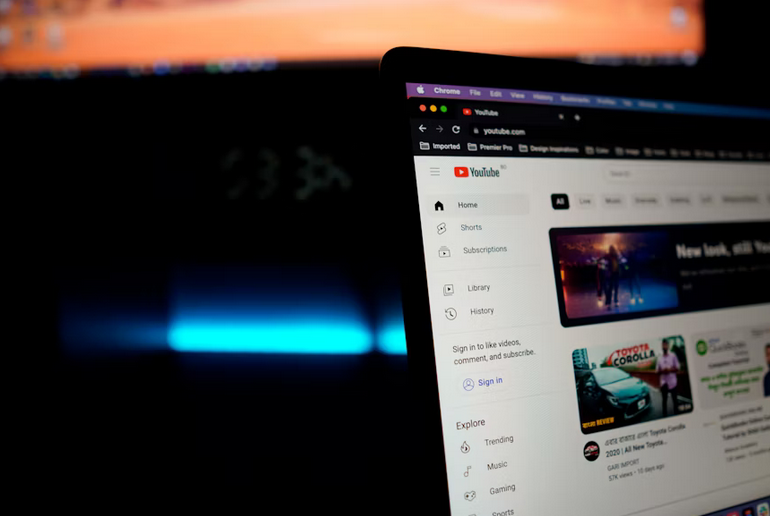
Tags and metadata play a supporting role in optimization by signaling the subject matter and category of the video. Including specific tech-related tags, such as device names, app types, or industry terms, allows YouTube’s algorithm to categorize content accurately. Metadata, including custom thumbnails and captions, further enhances discoverability. While tags are not as heavily weighted as other factors, they still help connect videos to related content, increasing the chances of being featured as a suggested video alongside similar tech topics.
Engaging Viewers to Boost Recommendations
YouTube prioritizes videos that keep viewers engaged. For tech content, this means producing clear explanations, tutorials, or reviews that maintain attention throughout the video. Calls to action, such as encouraging likes, comments, and subscriptions, increase engagement metrics, which in turn signal to the algorithm that the video is valuable. Higher engagement makes it more likely that videos will appear in suggested feeds, exposing content to viewers who are interested in similar tech topics.
Maintaining Consistency and Playlists
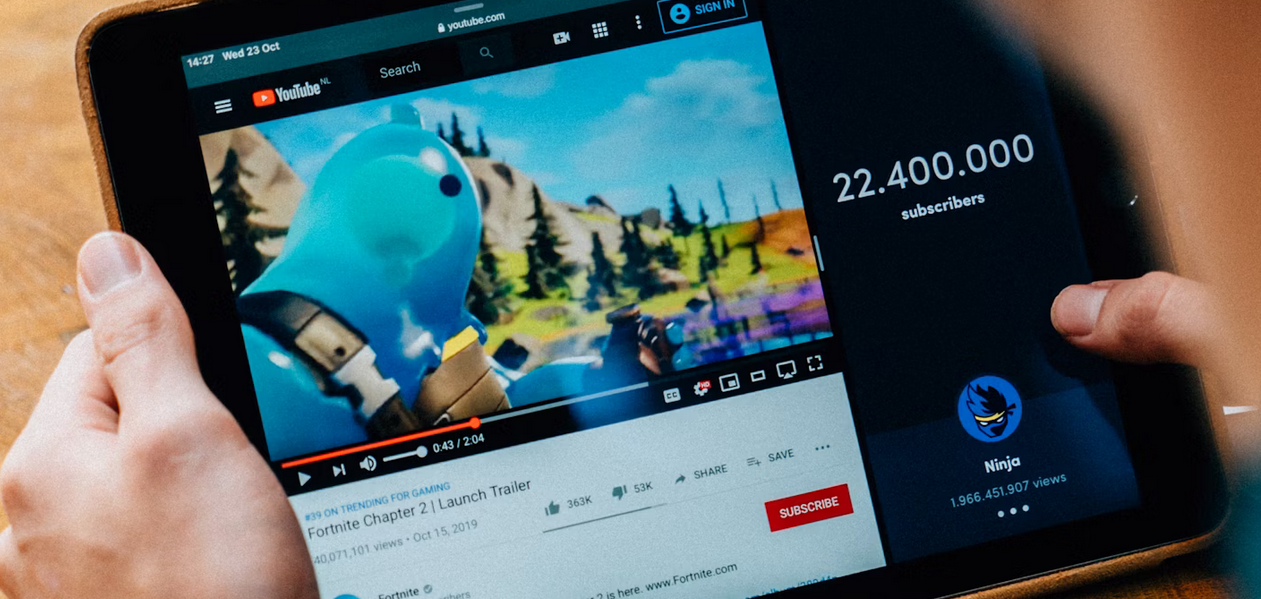
Maintaining a consistent posting schedule helps build audience loyalty and increases the likelihood of being featured in suggested videos. Organizing content into playlists focused on specific tech subjects, such as smartphone tutorials or software tips, improves watch time and makes it easier for viewers to navigate related videos. Playlists also signal to YouTube that the channel offers structured, in-depth content, which boosts the chances of appearing in recommendations for viewers watching similar material.
Reviewing Analytics for Optimization
Regularly reviewing YouTube analytics is key to optimizing tech content over time. Metrics such as audience retention, click-through rates, and traffic sources reveal which videos perform well and why. By analyzing this data, creators can refine their SEO strategies, adjust content formats, and focus on topics that generate the most views and engagement. Continuous monitoring ensures that optimization efforts remain aligned with viewer interests and algorithm preferences.
Optimizing tech content for YouTube search and suggested videos is essential for reaching the right audience and growing a channel. Effective use of titles, descriptions, tags, engagement strategies, and analytics helps videos rank higher and appear in suggested feeds. By combining technical accuracy with SEO best practices, tech creators can …

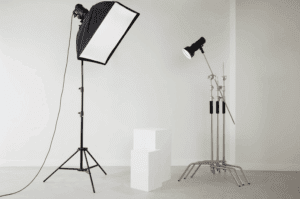 The three-point lighting setup is a classic technique favored by professional videographers. It involves three essential lights: the key light, fill light, and back light. The key light serves as the primary light source, positioned at a 45-degree angle from the subject. Meanwhile, the fill light is placed on the opposite side of the key light to soften shadows. This reduces harsh shadows and creates a balanced look.