

Smart homes continue to grow as more households add connected devices to their daily routines. Smart home solutions such as connected lighting, security cameras, thermostats, smart locks, speakers, and appliances all depend on reliable network connections to function effectively. As the number of connected devices increases, maintaining stable communication becomes more challenging. Traditional wireless routers may struggle to provide consistent coverage throughout larger homes or buildings with multiple floors. Mesh networking addresses these issues by creating a more flexible and reliable wireless environment. Understanding how mesh networking improves smart home device stability helps explain why this technology has become an important part of modern connected homes.
Expanding Wireless Coverage
One of the biggest advantages of mesh networking is its ability to provide wider wireless coverage. Instead of relying on a single router, a mesh network uses multiple interconnected nodes placed throughout the home. Each node extends the wireless signal to nearby areas. Together, these nodes create a continuous network rather than separate coverage zones. Devices automatically connect to the strongest available node as people move around the house. This reduces weak signal areas that are common with traditional router setups. Larger homes benefit from more consistent wireless performance, allowing smart devices to remain connected regardless of their location.
Reducing Connection Interruptions
Smart home devices depend on stable connections to operate properly. Frequent disconnections can interrupt automation routines and reduce overall system reliability. Mesh networking helps reduce these interruptions by providing multiple communication paths between devices and network nodes. If one node experiences interference or becomes unavailable, nearby devices can often connect through another node without noticeable disruption. This redundancy improves overall network resilience. Smart devices remain online more consistently, helping homeowners avoid unexpected interruptions during everyday use.
Supporting Multiple Connected Devices
Modern smart homes often contain dozens of connected devices operating simultaneously. Traditional routers may become overloaded as more devices compete for bandwidth. Mesh networking distributes network traffic more efficiently across multiple nodes. Instead of concentrating all communication through one access point, the workload is shared throughout the network. This balanced approach reduces congestion and improves performance. Smart speakers, cameras, sensors, and other connected devices can communicate more smoothly even during periods of high network activity. As households continue adding new technology, mesh systems provide greater scalability.
Improving Communication Between Smart Devices
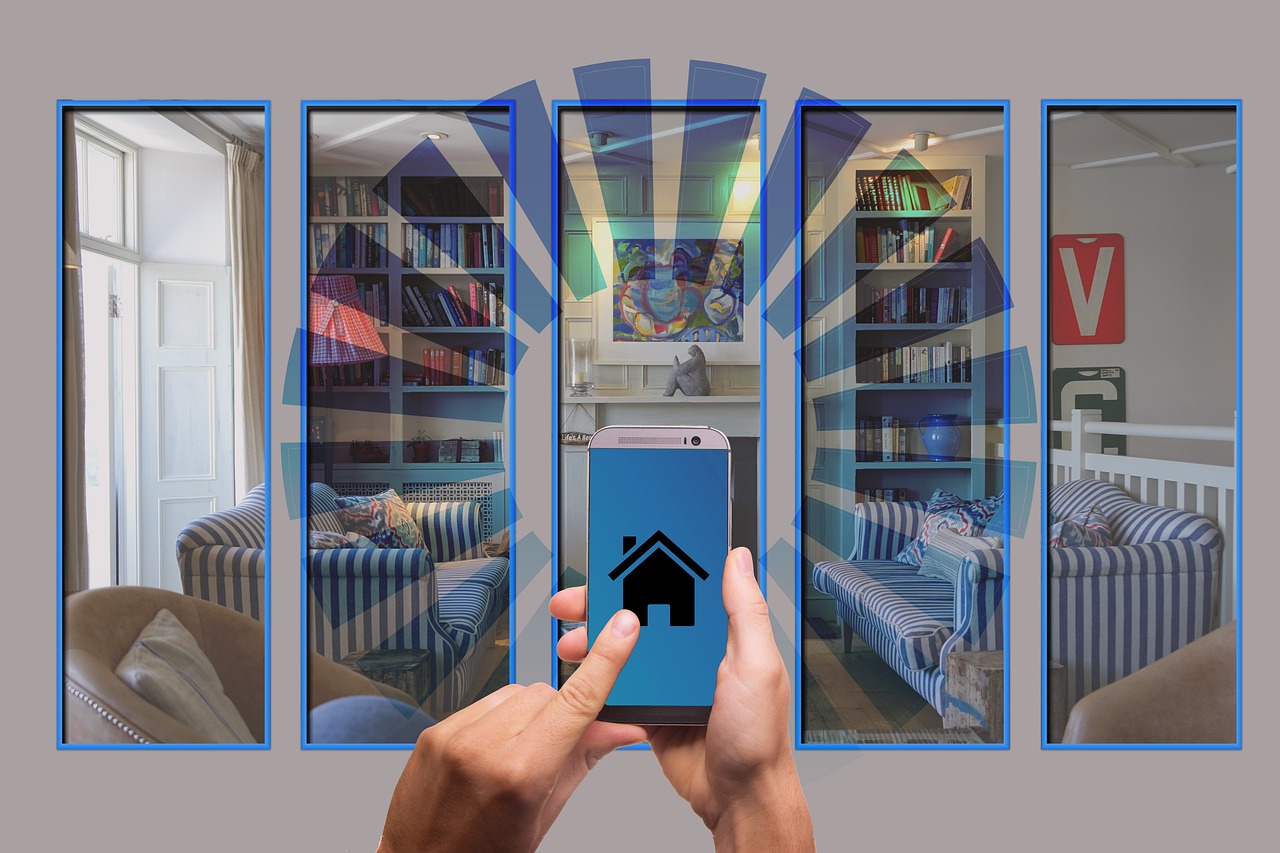
Many smart home systems rely on communication between multiple devices rather than direct interaction with a single controller. Lighting systems, motion sensors, security equipment, and climate controls frequently exchange information to automate household functions. A stable mesh network improves this communication by maintaining consistent connections between devices. Commands are transmitted more reliably across the network. Automation routines respond faster because communication delays are reduced. Better connectivity helps smart home ecosystems operate as intended. This creates a smoother user experience while increasing confidence in automated household functions.
Adapting to Changing Network Conditions
Wireless environments constantly change. Walls, furniture, appliances, and even people moving throughout the home can influence signal quality. Mesh networking continuously adapts to these changing conditions. Network nodes monitor connection quality and automatically adjust communication paths when necessary. Devices can switch to stronger nodes without requiring manual intervention. This dynamic routing improves long-term network stability. Instead of relying on fixed communication routes, the system responds intelligently as environmental conditions change. Adaptive networking helps maintain reliable performance throughout daily household activities.
Simplifying Long-Term Smart Home Expansion
Many homeowners begin with only a few smart devices before gradually expanding their systems over time. As more devices are installed, maintaining stable network performance becomes increasingly important. Mesh networking supports this gradual growth by allowing additional nodes to be added when coverage needs increase. Expanding the network does not require replacing the entire system. New smart devices can benefit from improved coverage immediately after installation. This flexibility makes future upgrades much easier. Homeowners can continue developing their smart home ecosystems without worrying that network limitations will reduce overall reliability.
Mesh networking has become an effective solution for supporting reliable smart home performance. By expanding wireless coverage, reducing connection interruptions, supporting larger numbers of connected devices, improving communication, adapting to changing conditions, and simplifying future expansion, mesh systems provide a stronger foundation for connected living. Understanding how mesh networking improves smart home device stability demonstrates why many homeowners are choosing this technology as their smart home environments continue to grow. Reliable connectivity allows smart devices to perform more consistently, creating a more dependable and efficient home network that can adapt to future technological advancements.