

Buildings are among the largest consumers of energy worldwide, accounting for a significant share of electricity use and greenhouse gas emissions. From residential homes to commercial office towers, heating, cooling, lighting, and equipment require enormous amounts of power every day. As urban populations continue to grow and energy costs fluctuate, improving the efficiency of buildings has become a global priority. Fortunately, advances in technology are making it possible to monitor, manage, and reduce energy consumption without sacrificing comfort or productivity. Intelligent systems, connected devices, and data-driven insights are changing the way buildings operate, creating opportunities for both environmental and financial benefits.
Buildings Consume So Much Energy
Modern buildings rely on multiple systems working simultaneously to provide comfortable living and working environments. Air conditioning, heating, ventilation, lighting, elevators, security systems, and electronic equipment all contribute to substantial energy demand. Many older buildings also operate with outdated infrastructure that wastes electricity through inefficient equipment and poor insulation. For that, www.wissen.de/ highlights how scientific knowledge and technological innovation continue to influence sustainable practices, helping property owners better understand the importance of improving energy performance across different types of buildings.
Smart Building Technologies Are Making a Difference
The rise of smart building technology has introduced a new level of efficiency in energy management. Internet-connected sensors collect real-time information about occupancy, temperature, lighting conditions, and equipment performance. Building management systems analyze this data and automatically adjust operations to minimize unnecessary energy use. Instead of relying on fixed schedules, intelligent controls ensure that energy is only used when and where it is needed. This automation not only reduces utility expenses but also extends the lifespan of building equipment by preventing excessive wear.
Artificial Intelligence Improves Energy Decisions
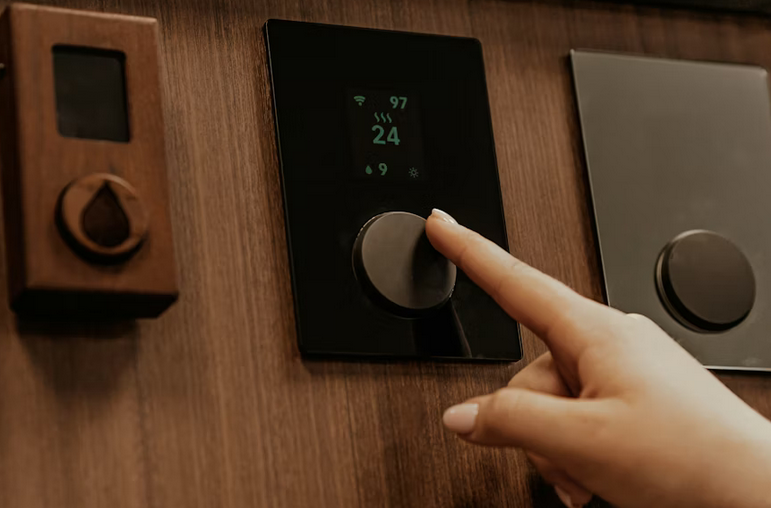
Artificial intelligence is becoming an essential tool in modern energy management. By analyzing historical data alongside real-time conditions, AI can predict energy demand and optimize building performance throughout the day. For example, an AI-powered system may reduce cooling before a meeting room becomes vacant or adjust heating based on weather forecasts. Predictive maintenance also allows facility managers to identify potential equipment failures before they occur, reducing downtime and avoiding unnecessary energy losses. These capabilities create more efficient buildings while improving occupant comfort.
Renewable Energy and Storage Strengthen Sustainability
Technology is also making it easier for buildings to integrate renewable energy sources such as solar panels and battery storage systems. Smart energy management platforms determine the most efficient times to use stored electricity, generate renewable power, or draw energy from the grid. This flexibility helps lower energy costs while reducing dependence on fossil fuels. As renewable technologies become more affordable, more property owners are investing in systems that increase energy independence and contribute to long-term environmental goals.
Data Is the Foundation of Better Performance

One of the greatest advantages of modern building technology is access to detailed performance data. Advanced monitoring systems provide continuous insights into energy consumption patterns, allowing building owners to identify inefficiencies that would otherwise remain unnoticed. Comparing daily, weekly, and seasonal trends helps managers make informed decisions about equipment upgrades, operational changes, and maintenance schedules. Data-driven strategies ensure that improvements are based on measurable results rather than assumptions, leading to consistent energy savings over time.
The Future of Energy-Efficient Buildings
The next generation of buildings will become increasingly intelligent, connected, and adaptive. Emerging technologies such as digital twins, advanced automation, and machine learning will enable buildings to simulate performance, anticipate changing conditions, and optimize energy use with minimal human intervention. As governments strengthen energy regulations and businesses prioritize sustainability, smart buildings will become an essential part of modern cities. Investing in these technologies today not only reduces operating costs but also prepares properties for future environmental and economic challenges.
Buildings will always require energy, but they do not have to waste it. Technology is transforming the way energy is produced, monitored, and consumed, making buildings more efficient, sustainable, and cost-effective than ever before. Through smart automation, artificial intelligence, renewable energy integration, and data-driven management, property owners can significantly reduce their environmental impact while improving operational performance. As innovation continues, technology will play an increasingly important role in creating buildings that consume less energy and contribute to a cleaner, more sustainable future.